



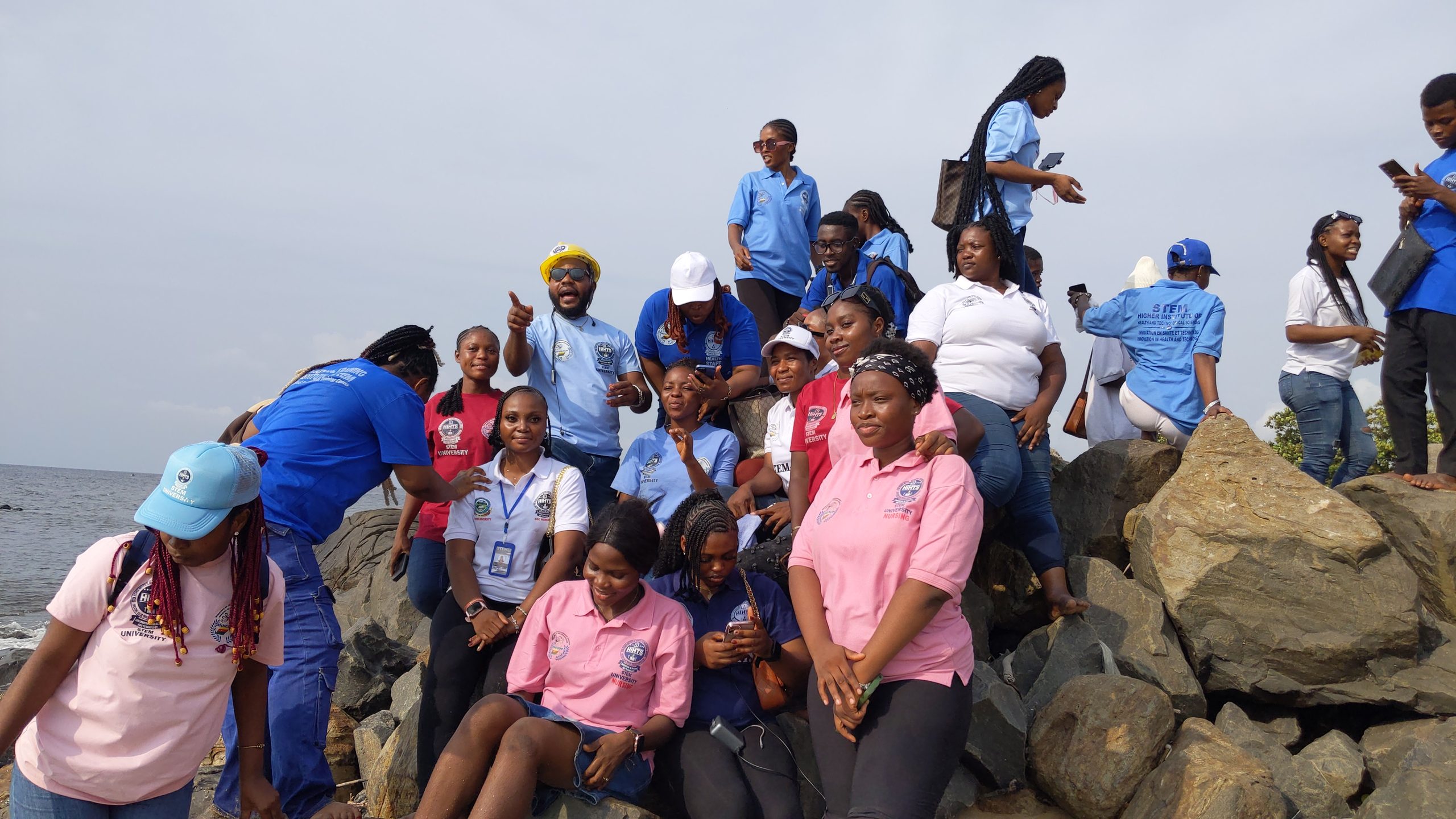
From the classroom to the coastline, students of STEM Higher Institute of Health and Technological Sciences (STEM-HIHTS) experience Cameroon’s natural beauty, history and heritage.
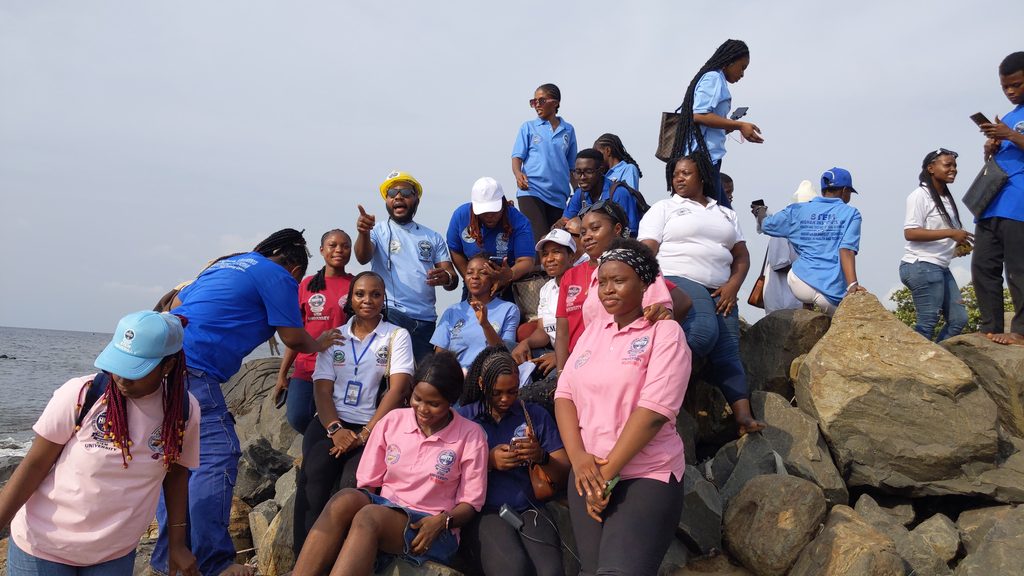
Students of the STEM Higher Institute of Health and Technological Sciences (STEM-HIHTS), Ndobo, Douala, on Thursday, November 19, 2026, embarked on an academic field trip to Kribi, a seaside city in the South Region of Cameroon, in a day that combined learning, exploration, cultural discovery and recreation.
The trip brought together students from the institution’s Kombé Campus, Bépanda Campus and the main campus in Ndobo, Bonabéri, Douala. For some students, particularly international students from Nigeria, Mali, Sudan, the Central African Republic and other countries, it was an opportunity to discover parts of Cameroon they had never visited before and experience the country’s rich geographical and cultural diversity.
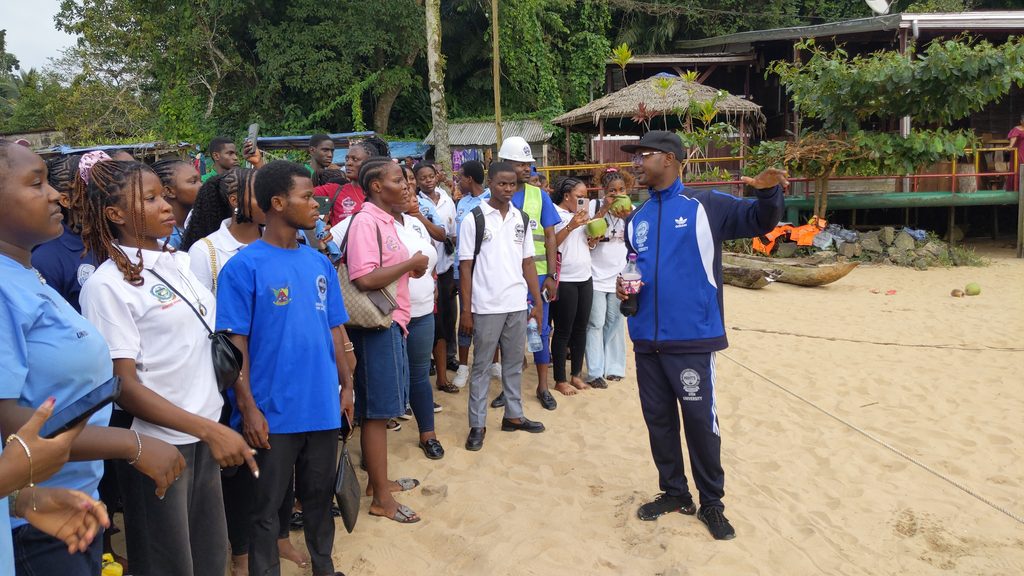
Speaking on the importance of the excursion, the Director of STEM-HIHTS, Dr. Meh Basil Kum, said the field trip was part of the academic curriculum for institutions of higher learning. He explained that STEM, as an institution committed to quality education and practical learning, could not afford to overlook such an important academic exercise.
According to him, the trip was equally intended to give students who had never visited other touristic sites in Cameroon to experience the seaside firsthand, while connecting classroom lessons to real-life environments.
Learning beyond the classroom
The journey to Kribi was not just about reaching the beach. Along the way, students received lectures and explanations about the forest ecosystem, plantations, geographical features and other important sites along the route.
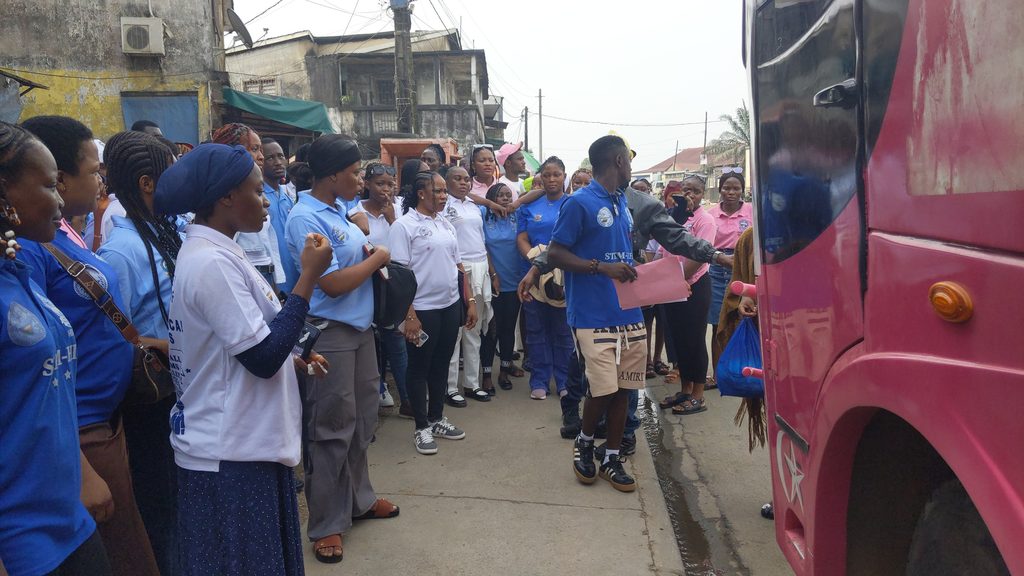
One of the notable points of interest was the Edéa Power Plant, an important hydroelectric facility in Cameroon’s electricity sector. Students were introduced to its significance in the country’s energy production and the role of electricity in national development.
The educational experience continued in Kribi, where students visited historic and significant locations, including sacred grounds belonging to the indigenous people of the municipality. The visit offered them an opportunity to learn more about local culture, traditions, history and the heritage of the communities.
Kribi: Where learning meets adventure
Located in the Ocean Division of the South Region, Kribi remains one of Cameroon’s important coastal cities. It is home to the Kribi Deep Seaport and is blessed with rich marine life, forests, waterfalls and beautiful beaches that continue to attract visitors from across the country and beyond.
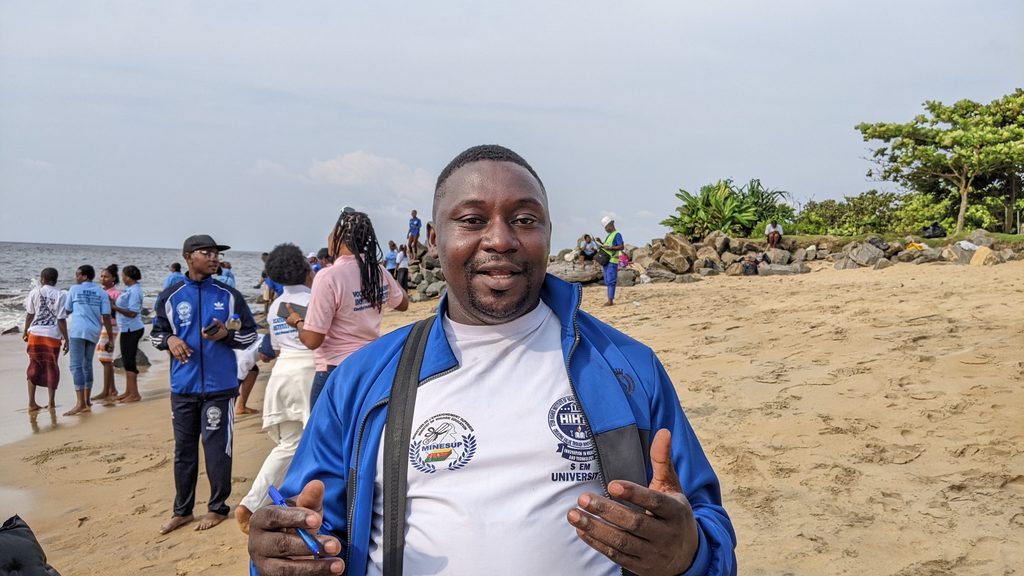
For the STEM-HIHTS students, the city offered more than just sightseeing. They had the opportunity to experience beach life, ride horses, visit the Lobe waterfall and take photographs, capturing moments that will remain memorable long after the trip.
The excitement was particularly visible among international students, many of whom were experiencing the beauty of Cameroon’s coastline and exploring another region of the country for the first time.
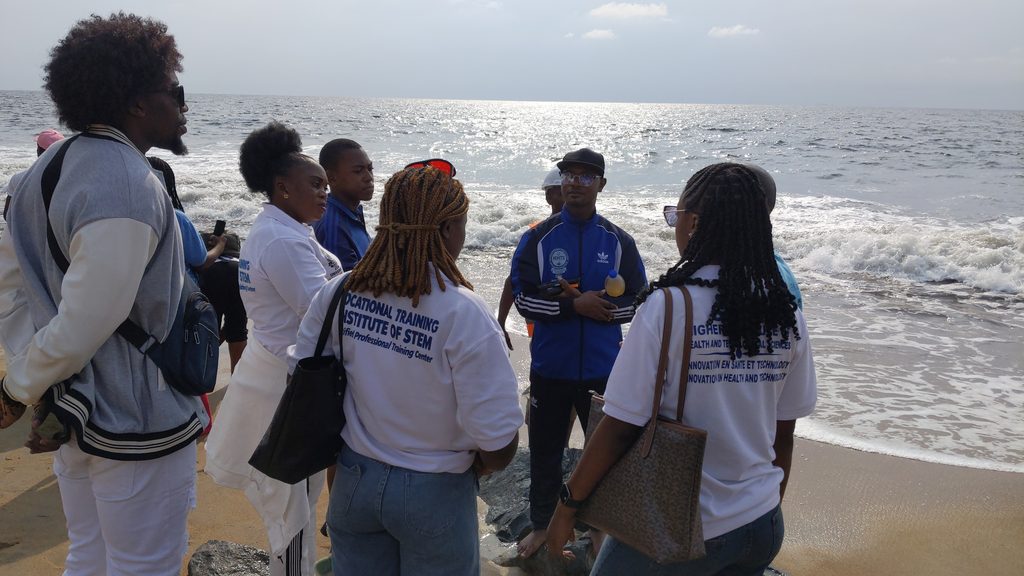
Students described the experience as exciting, refreshing and educative, expressing joy at being able to learn outside the classroom, discover new places and interact with nature and Cameroon’s cultural heritage.
Education through experience
The STEM-HIHTS academic field trip to Kribi once again demonstrated the importance of experiential learning in higher education. Beyond textbooks, lecture halls and laboratory sessions, academic excursions give students the opportunity to observe, explore, ask questions and understand the world around them from a practical perspective.
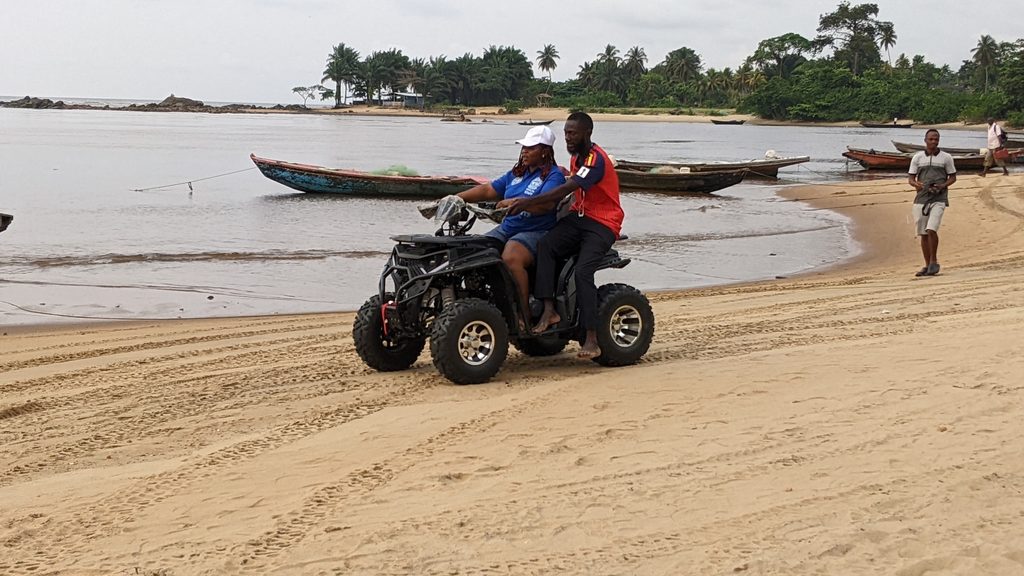
For STEM-HIHTS, the trip was a blend of academic responsibility, cultural exposure, social interaction and recreation — an experience that brought students from different campuses and nationalities together.
After a long day of learning, exploration and fun, the students returned safely to Douala, with memories of the seaside, new knowledge, friendships and a broader appreciation of Cameroon’s natural and cultural richness.
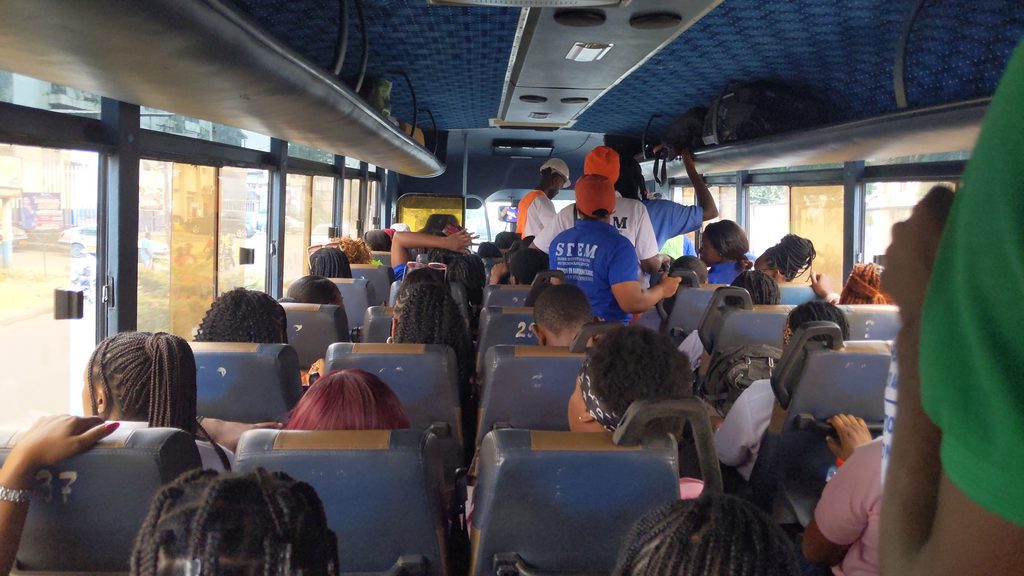
It was more than just a trip to Kribi. It was a classroom without walls — an experience that reminded students that education is not only about what is taught, but also about what is seen, explored and experienced.
