



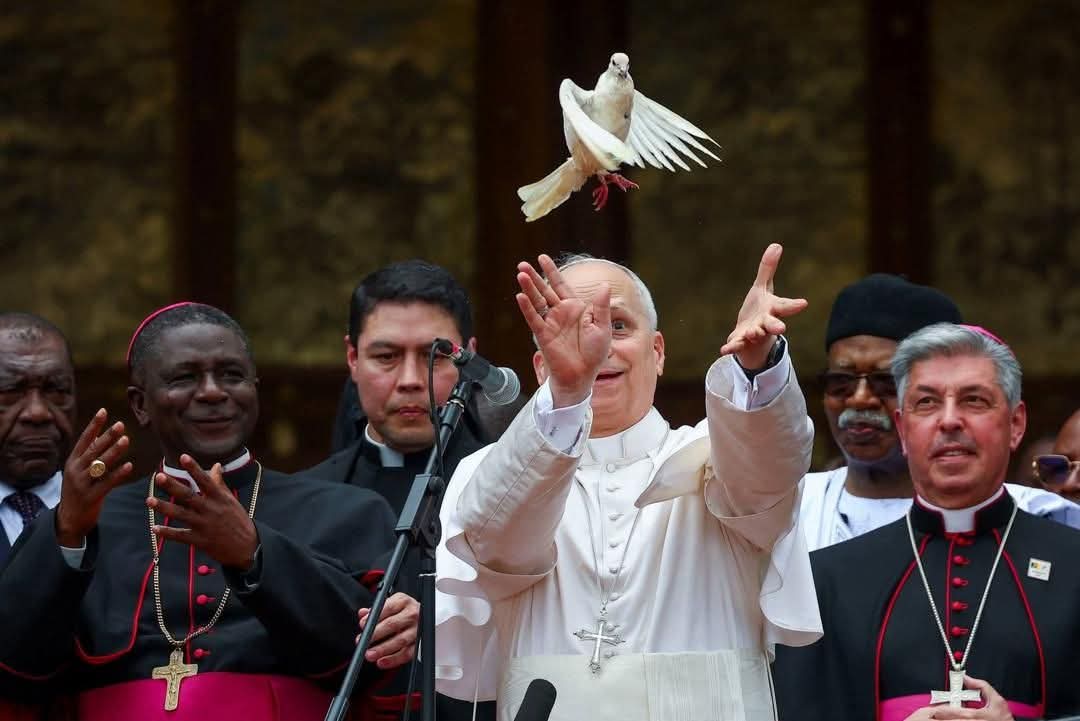
Powerful emotions filled St. Joseph’s Metropolitan Cathedral in Bamenda on Thursday 17 April, 2026, as Pope Leo XIV visited the city and listened to moving testimonies from religious leaders who spoke openly about the suffering caused by years of conflict in Cameroon’s North West and South West regions.
At the center of the historic gathering was a deeply emotional address by the Archbishop of Bamenda, His Grace Andrew Nkea, whose words captured both the pain and resilience of communities that have endured violence, displacement, and uncertainty since the crisis began.
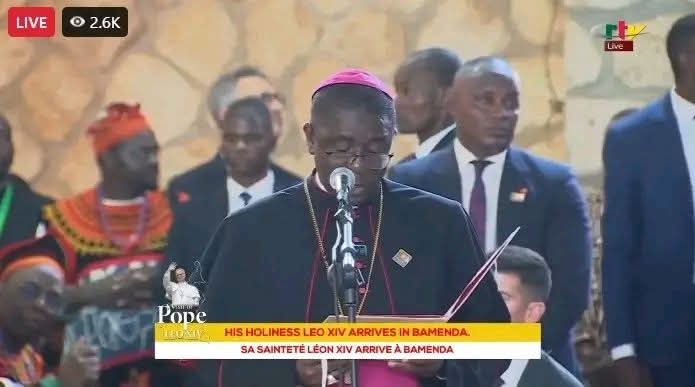
Standing before thousands of worshippers, clergy, dignitaries, and the Holy Father, Archbishop Nkea spoke not only as a church leader, but as a witness to the daily struggles of the people.
A Voice From the Heart of the Crisis
In a speech that moved many in the congregation to tears, Archbishop Nkea described the devastating human cost of the conflict — from killings and kidnappings to the collapse of education and the shutdown of businesses.
He painted a vivid picture of a region where families have been separated, livelihoods destroyed, and children denied the right to learn in peace.
Yet amid the pain, the Archbishop’s message remained rooted in hope and the urgent need for reconciliation.
“Even if you don’t say anything, your presence here is a sign of consolation,” he told Pope Leo XIV, drawing loud applause from the congregation.
The statement reflected what many in Bamenda felt: that the Pope’s visit itself was a powerful sign that the suffering of the region had not been forgotten.
“Peace Is Peace”
One of the most memorable moments of the day came when Archbishop Nkea reminded the world that “peace is peace,” regardless of religion, politics, or identity.
His message called for unity beyond division and for a future where human dignity comes before political differences.
Observers described the speech as one of the most honest and heartfelt public accounts of the crisis delivered in the presence of an international religious leader.
The Pope Listens and Brings Hope
Throughout the address, Pope Leo XIV listened attentively, seated in silence as the realities of the region were laid bare before him.
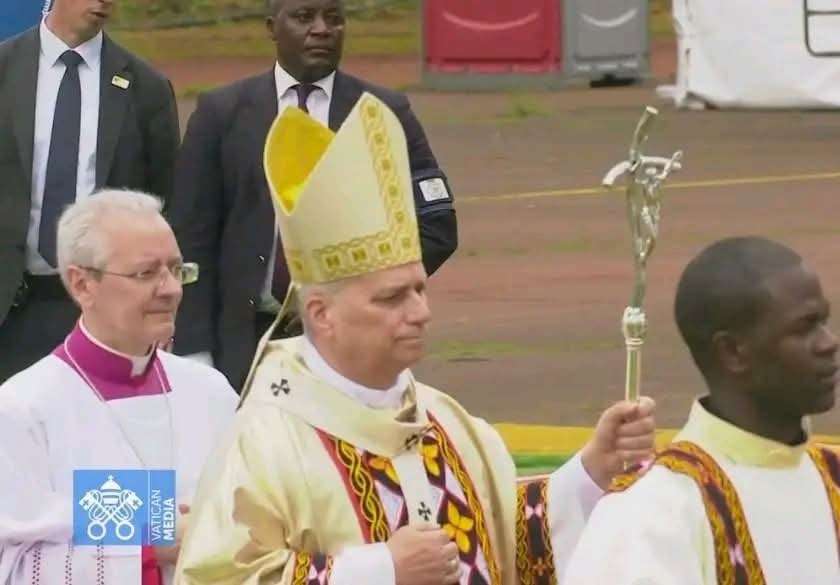
The North West regional capital of Bamenda has remained one of the hardest-hit areas since the conflict escalated in 2016. For many residents, the Pope’s presence offered rare hope that global attention could help encourage peace efforts.
Speaking the previous day in Yaounde, Pope Leo XIV had declared:
“I come here as a servant of peace.”
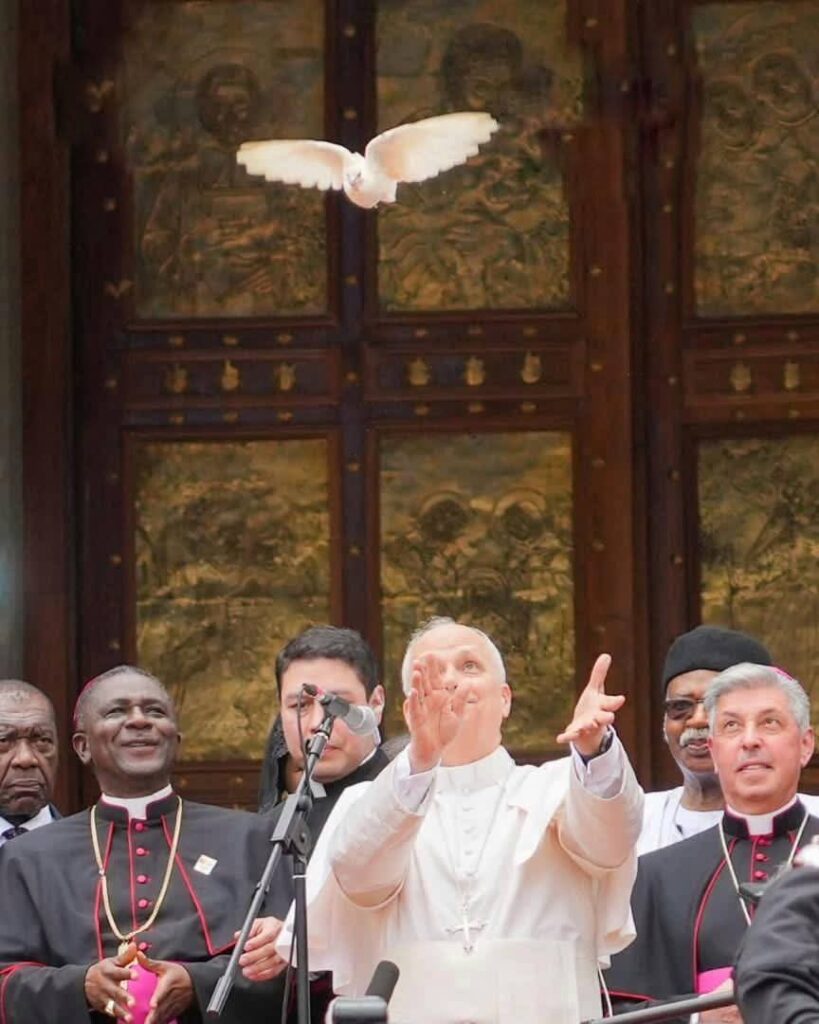
In Bamenda, he reinforced that message by releasing several white doves into the sky — a symbolic gesture of peace in a city that has lived through years of fear and violence.
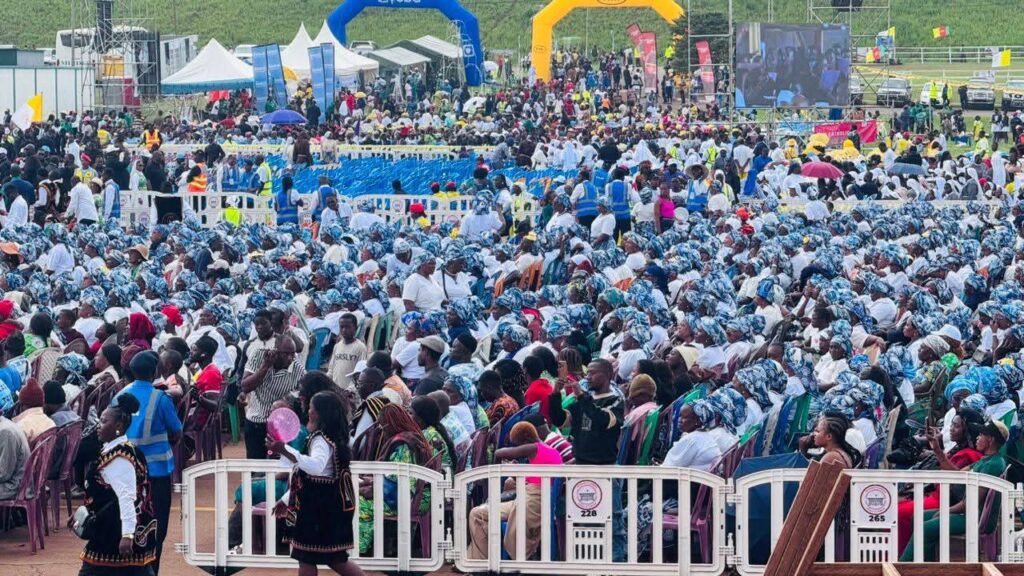
A Powerful Display of Interfaith Unity
The day also witnessed a remarkable moment of religious solidarity when the Chief Imam of the Buea Central Mosque, El Hadj Mohammed Aboubakar, addressed the Pope inside the Catholic cathedral.
Speaking on behalf of the Muslim community, the Imam recounted attacks that had directly targeted worshippers, including a November 14 assault in which gunmen stormed a mosque during prayers, killing three people.
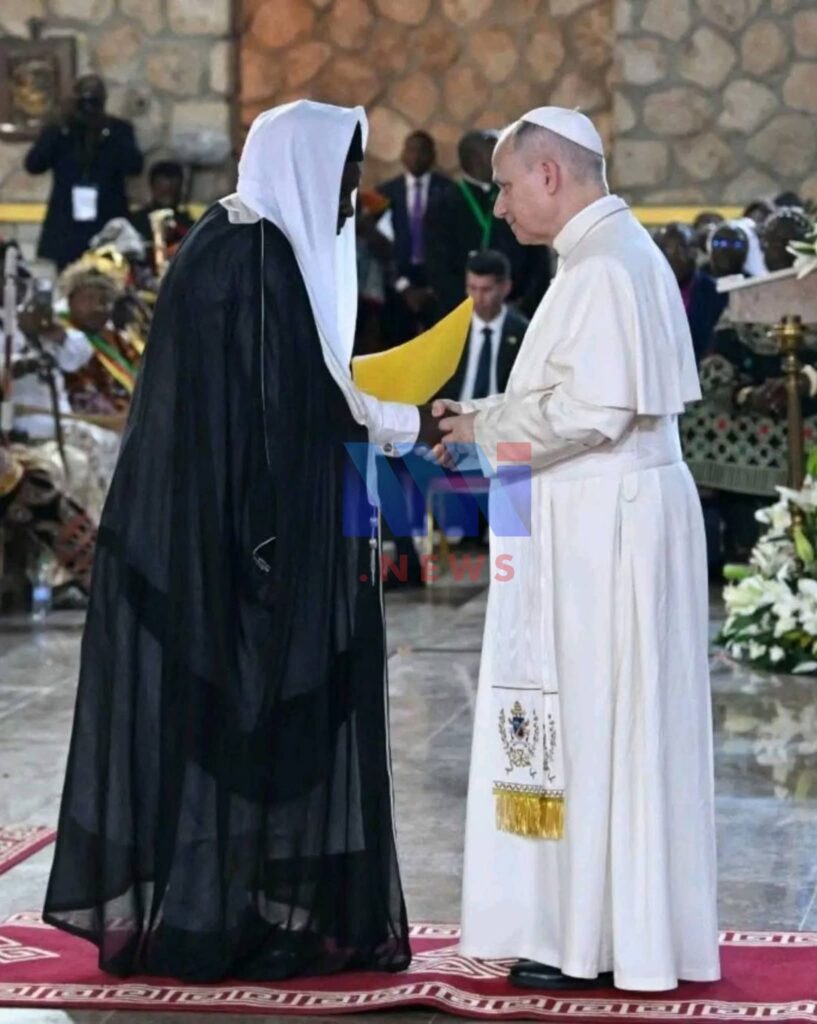
He also spoke of another massacre that left more than fourteen dead, plunging families into mourning and deep insecurity.
The Imam emphasized that the violence has spared no one, affecting Muslims and Christians alike.
His presence at the cathedral sent a strong message: the suffering of the North West and South West is shared by all communities, regardless of faith.
A Call for Peace and Protection
In his closing remarks, the Imam appealed for prayers, international support, and urgent action to restore security and dignity.
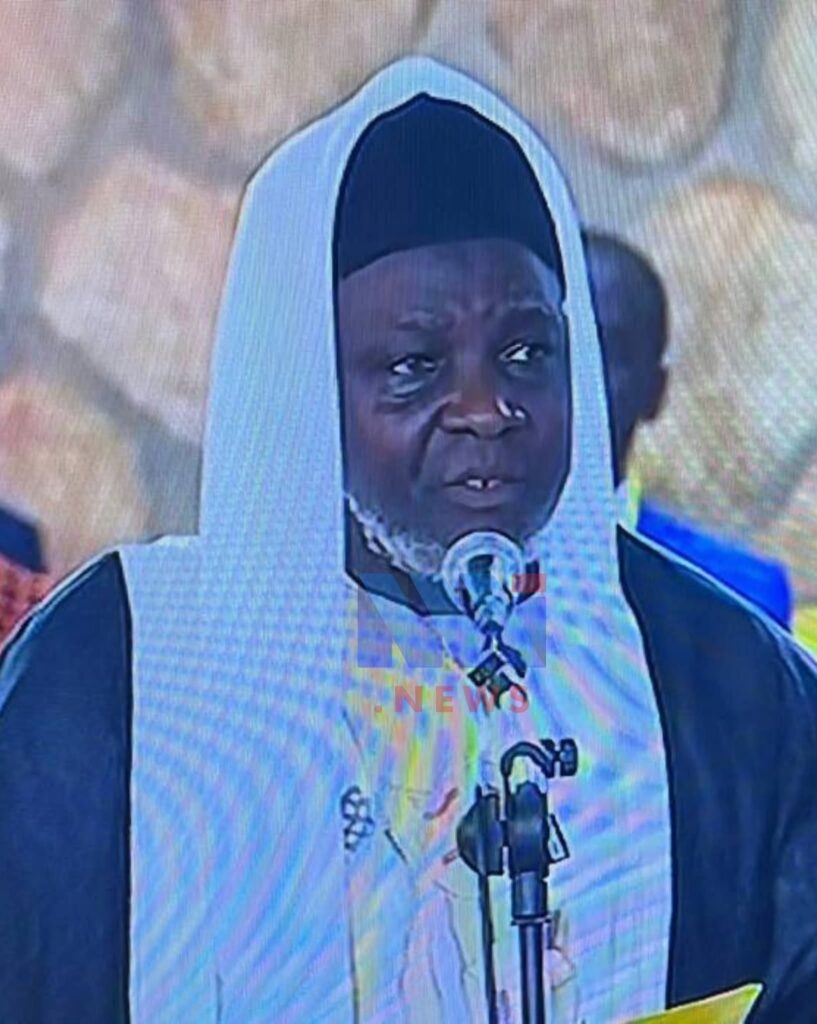
He insisted that every Cameroonian deserves peace, protection, and the chance to live without fear.
As the gathering ended, many left the cathedral with tears in their eyes—but also renewed hope. In one unforgettable day, Bamenda became the stage for truth, unity, and a collective cry for peace.
