



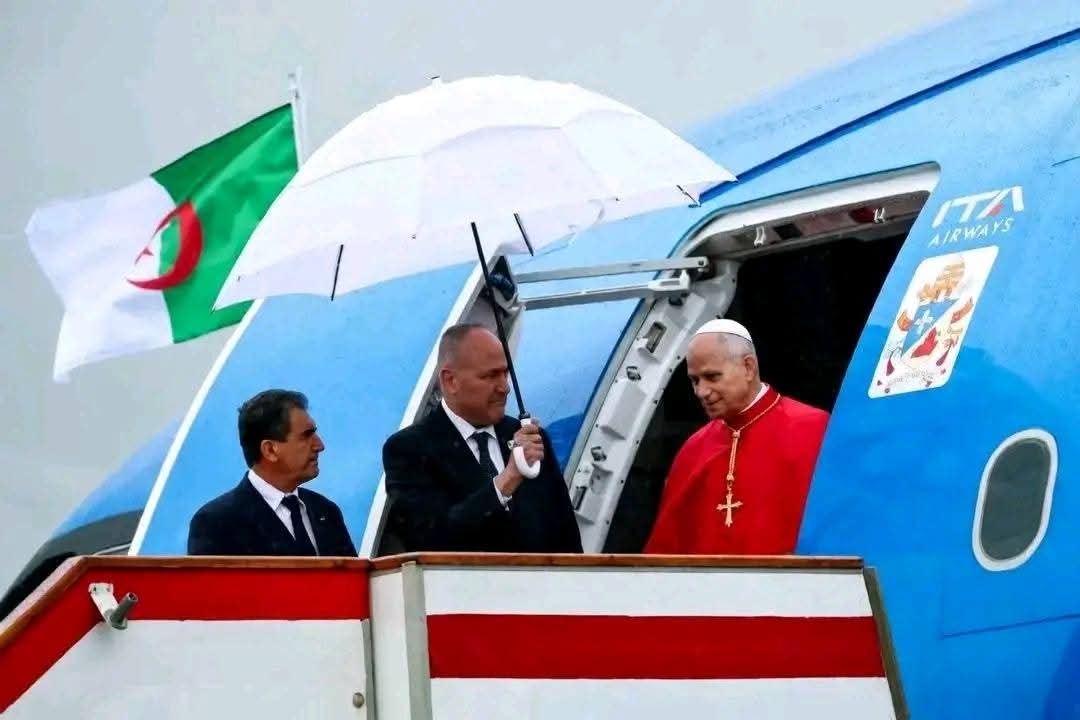
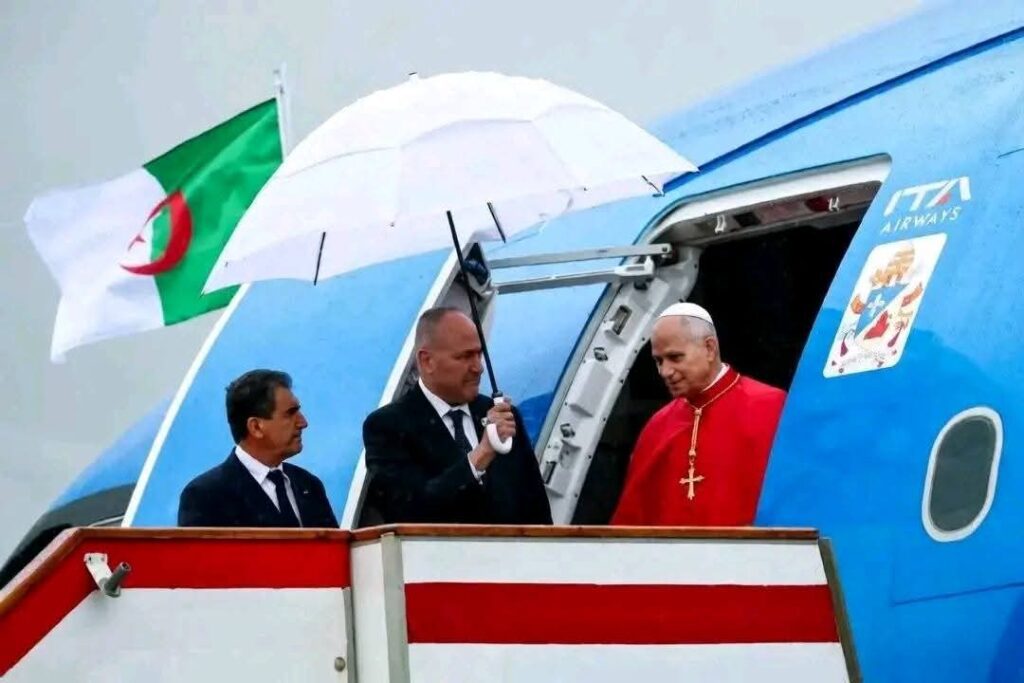
History was written in North Africa as Pope Leo XIV became the first Roman Catholic Pontiff to set foot on Algerian soil, opening a landmark visit seen as a powerful gesture of peace, dialogue, and unity.
The Pope arrived in Algiers on April 13, 2026, for the first leg of a major African pastoral journey running from April 13 to April 23, 2026. The Vatican itinerary confirms he will visit four countries: Algeria (April 13–15), Cameroon (April 15–18), Angola (April 18–21), and Equatorial Guinea (April 21–23).
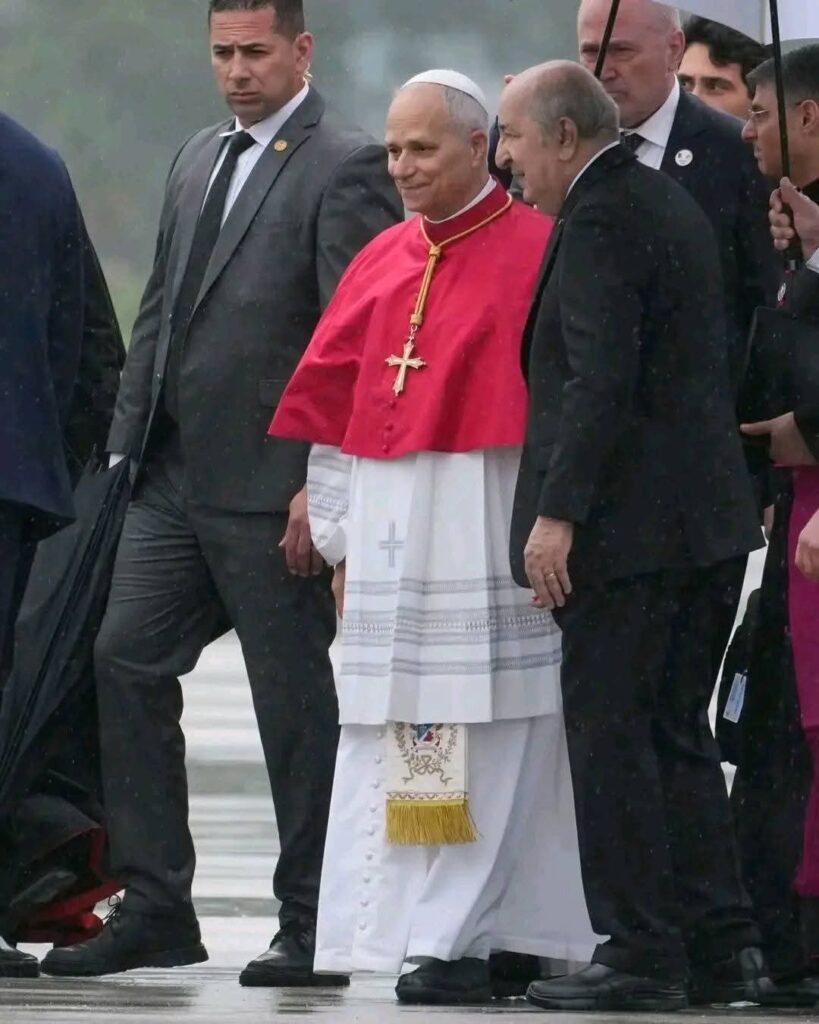
His arrival has already captured global attention, not only because of its historic significance, but because it comes at a time when the world continues to seek stronger voices for reconciliation, coexistence, and mutual respect.
Thousands of faithful gathered to welcome the Pontiff at the iconic Martyrs’ Monument, one of Algeria’s most symbolic national landmarks honouring those who lost their lives during the country’s war of independence. The emotional scenes of celebration and prayer at the monument marked a memorable beginning to the papal visit.
Later in the day, Pope Leo XIV met members of Algeria’s Catholic community at the renowned Basilica of Our Lady of Africa, where he delivered a heartfelt message centered on justice, dignity, and peace.
In his address, the Pope reminded worshippers that peace is more than the silence of weapons or the absence of conflict. He said true peace is rooted in justice, respect for human dignity, and the recognition that every nation deserves harmony and hope.
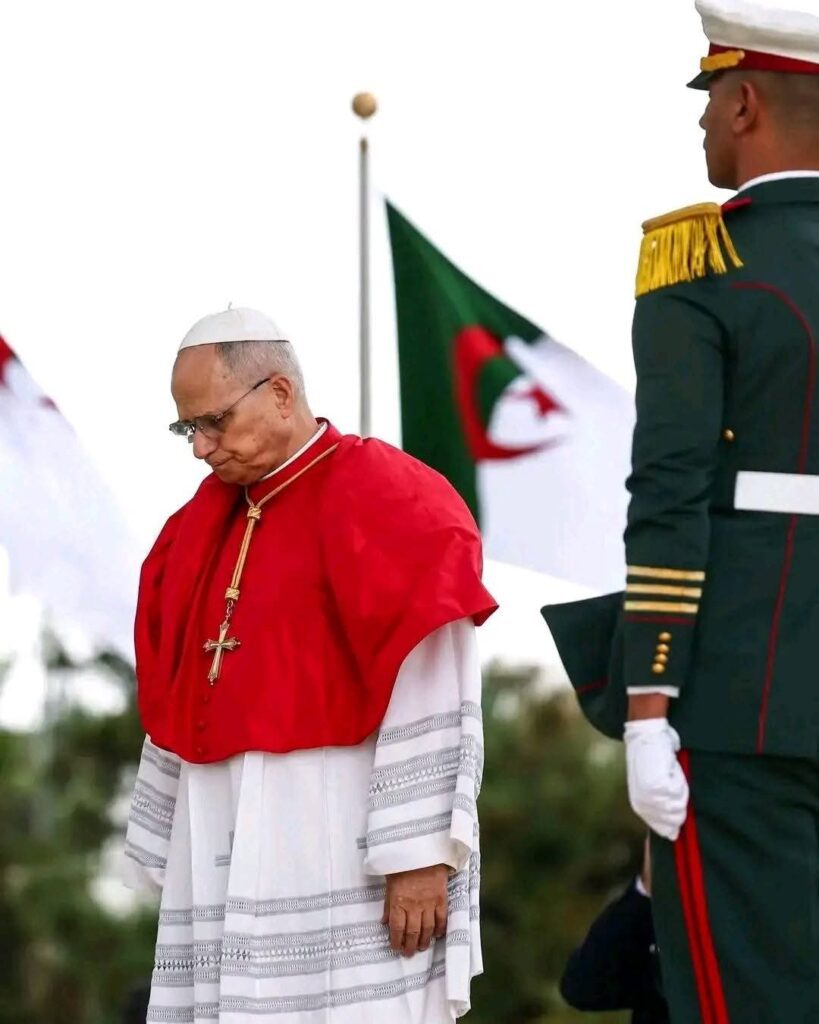
The visit is being widely viewed as a major milestone in relations between the Catholic Church and Algeria, a predominantly Muslim country. Observers say it reflects a growing commitment to interfaith understanding and cooperation in an increasingly divided world.
For many across Africa and beyond, the Pope’s presence in Algeria sends a clear message: bridges can be built, differences can be respected, and peace remains possible when nations choose dialogue over division.
As his African tour continues to Cameroon, Angola, and Equatorial Guinea, this historic stop in Algeria will likely be remembered as more than a diplomatic visit—it is a moment of hope for a continent and a world longing for unity.
