



African football is on the brink of a historic transformation. The Confederation of African Football (CAF) has announced a major overhaul of the continent’s football calendar, with the Africa Cup of Nations set to move to a four-year cycle from 2028.
CAF President Patrice Motsepe made the surprise announcement in Morocco, following a meeting of CAF’s Executive Committee ahead of the AFCON 2025 finals in Rabat. The decision marks the end of an era for a tournament that has been held every two years since 1968, apart from a brief one-year gap between the 2012 and 2013 editions.
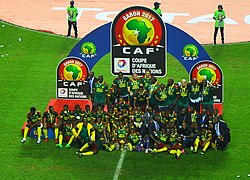
Under the new structure, AFCON will be staged one last time in its current format in 2027, hosted by Kenya, Tanzania, and Uganda, followed by another edition in 2028. After that, Africa’s biggest football competition will officially become a quadrennial tournament, aligning with the same calendar year as the European Championships.
“We have the most exciting new structure for African football,” Motsepe declared.
“I do what is in the interests of Africa. The global calendar has to be significantly more synchronised and harmonised.”
The move comes after years of tension between CAF tournaments and the European club calendar, with AFCON frequently held mid-season. While CAF had attempted to shift the tournament to a June–July window from 2019, challenges such as Covid-19, climate conditions, and FIFA’s expanded Club World Cup forced recent editions back to January and February.
As a result, AFCON 2025 in Morocco will be played over Christmas and the New Year, with the final scheduled for January 18—a first in the tournament’s history.
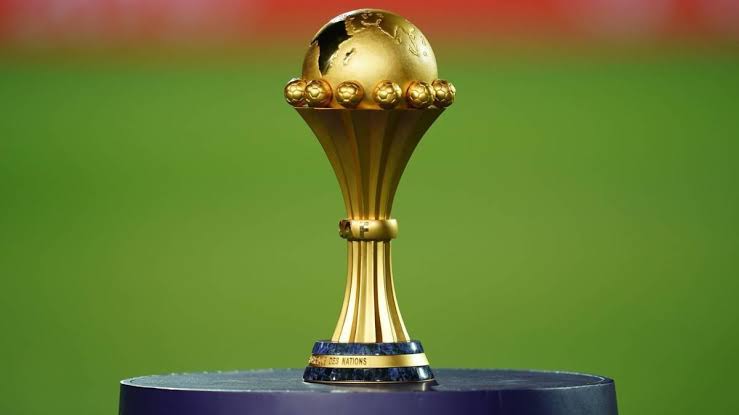
Despite concerns over revenue from less frequent tournaments, CAF has sweetened the deal by increasing the AFCON winner’s prize money from 7 million dollars to 10 million dollars, a significant boost aimed at strengthening football development across the continent.
But that’s not all.
In an equally bold move, CAF has announced the launch of the African Nations League, set to begin in 2029. The competition will be held every year, effectively giving Africa a major international tournament annually.
All 54 CAF member nations will participate, divided into four regional zones—North, East, West, and Central & Southern Africa. Matches will take place in September and October, with regional champions meeting in November to crown an overall continental winner.
Motsepe described the new competition as “the equivalent of an AFCON every year”, adding that it will be organized in partnership with FIFA, following consultations with FIFA President Gianni Infantino and Secretary General Mattias Grafström.
“Every year in Africa, the best African players who play in Europe will be with us on the continent,” Motsepe said.
“We are going to have a world-class competition every year.”
With structural reform, increased prize money, and a brand-new annual competition, African football is entering a new chapter—one CAF believes will elevate the game globally while keeping the continent’s biggest stars firmly connected to home.
The future of African football, it seems, has never looked more ambitious.
