



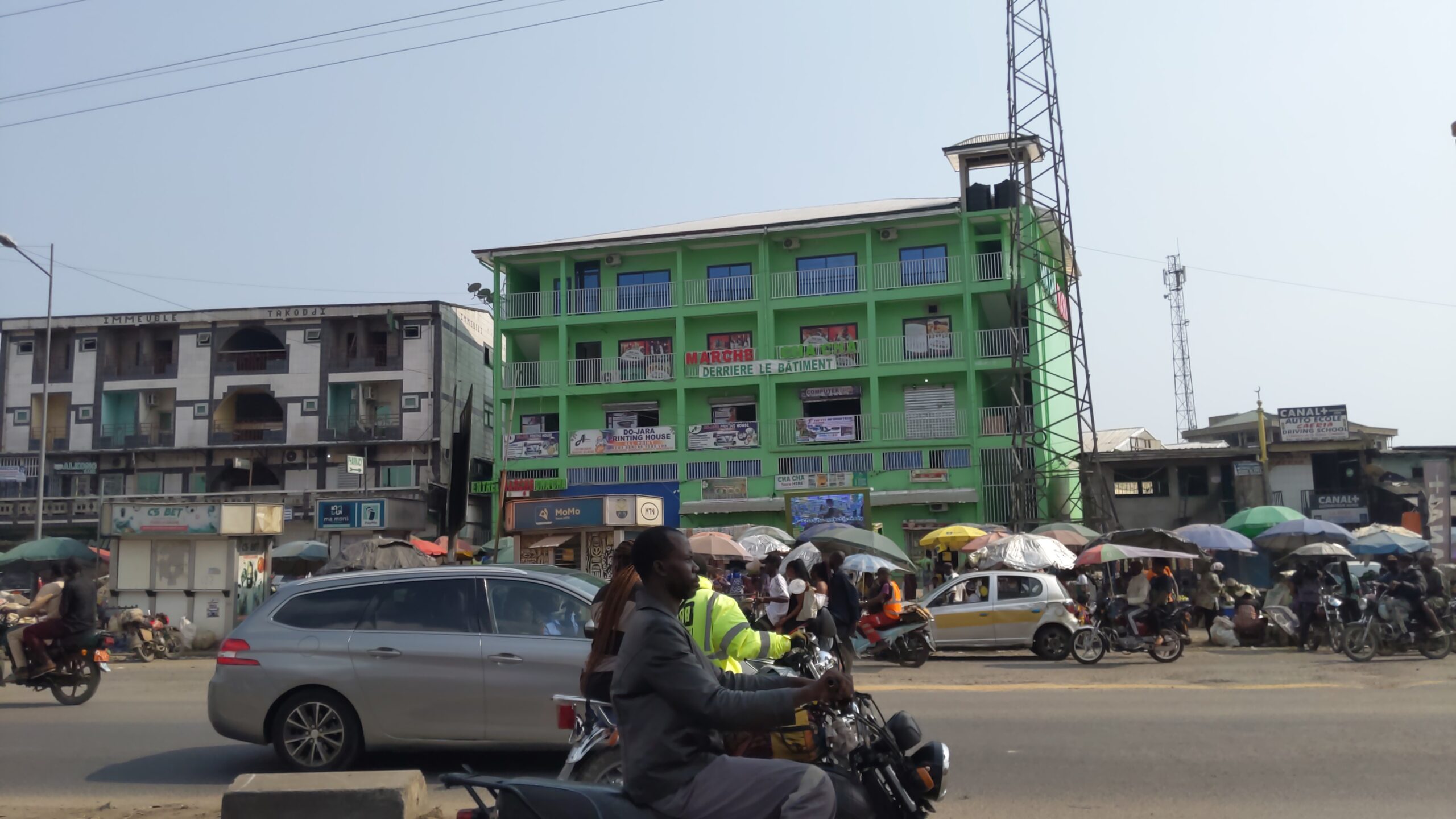
Bonaberi, Douala — In a city often challenged by congestion and urban disorder, ChaCha Market has emerged as a symbol of order, opportunity, and inclusive economic growth. Located in Bonaberi, the market is fast gaining recognition as the most organized and cleanest market in Douala, Cameroon’s economic capital.
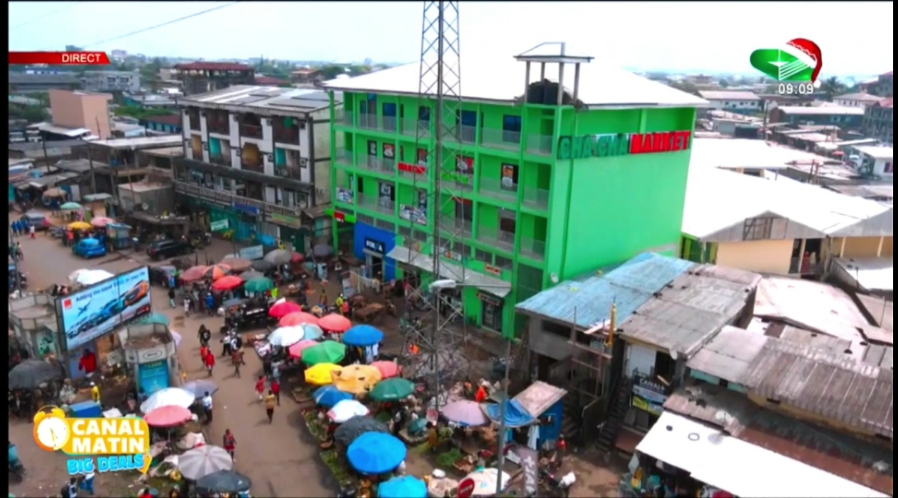
Since its inauguration in 2025, ChaCha Market has transformed the face of local commerce by offering traders a modern, secure, and well-structured environment to conduct business. Beyond its physical appeal, the market carries a deeper social mission rooted in solidarity and economic empowerment.
According to the General Manager, Mr. Kaffo Chris, the vision behind ChaCha Market was conceived by the Chief Executive Officer, Mr. Fuessoh Asan, during the early years of the Anglophone crisis in 2016–2017. At the time, thousands of internally displaced persons (IDPs) from the Northwest and Southwest regions had fled to Douala in search of safety and livelihoods.
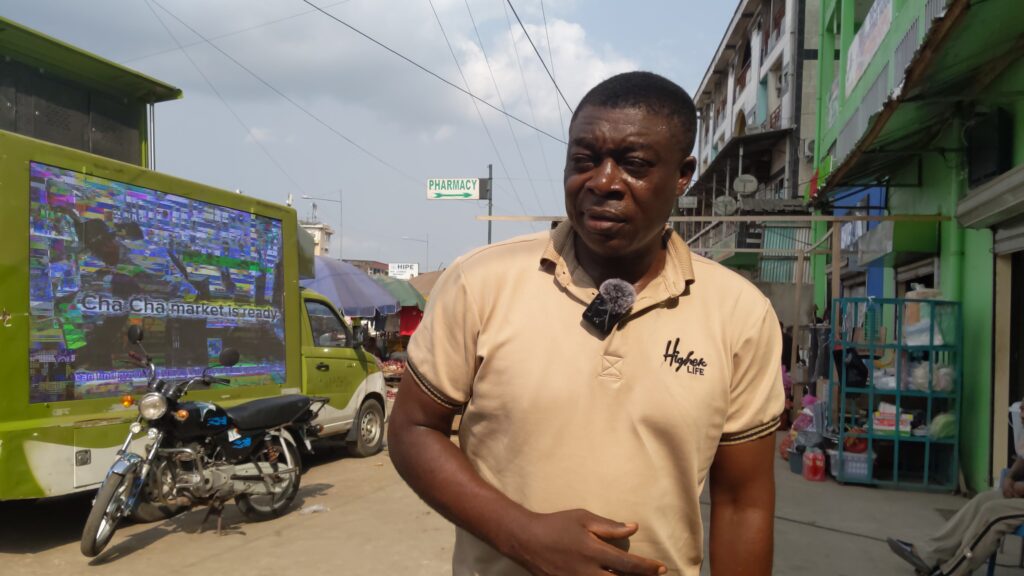
“Many of them had no shelter and no place to sell their products,” Mr. Kaffo explained. “The CEO saw their struggle and decided to create a market that would accommodate traders of all levels — from small vendors to established business owners.”
Today, that vision has materialized into a vibrant commercial hub welcoming traders from across Cameroon and beyond. Many traders testify that their businesses have significantly improved, thanks largely to the market’s strategic location, accessibility, and steady flow of customers.
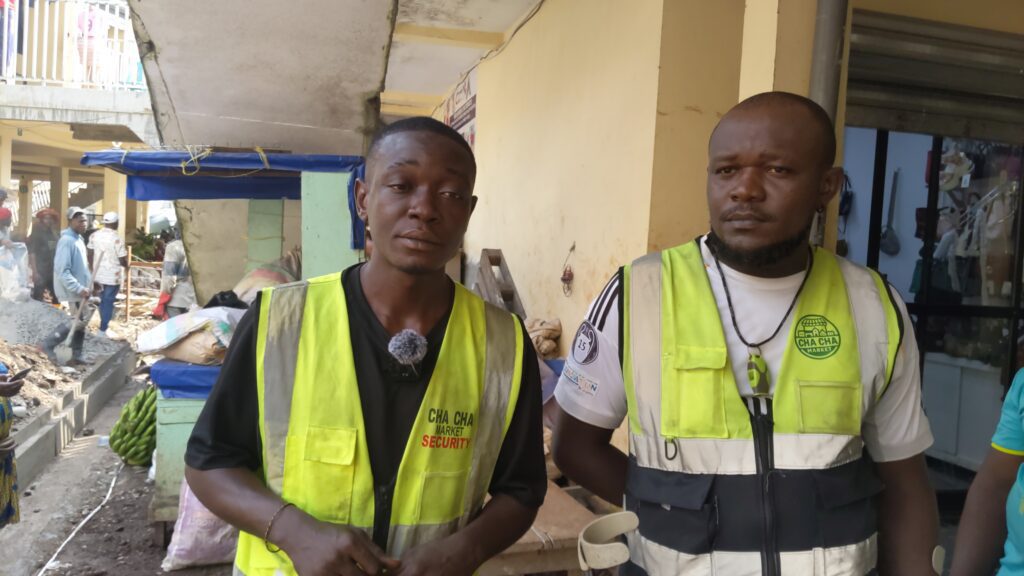
Security has been a cornerstone of ChaCha Market’s success. Remarkably, no security incident has been recorded since its opening. The market is equipped with trained security personnel, controlled access points, and a spacious parking area for visitors. Additional measures are being reinforced, including the construction of a perimeter fence and strict visitor checks, especially during nighttime hours, to deter intruders and malicious activities.
But ChaCha Market is more than a trading space. It is designed as a complete commercial and leisure complex. The site hosts a hotel, restaurant, and snack bar, offering comfort and convenience to traders, travelers, and customers alike.

The manager of the hotel and restaurant, Mr. Mancho, says the facilities are built to high standards. “We provide top-notch logistics and hospitality services to ensure visitors feel comfortable and well attended to,” he said.
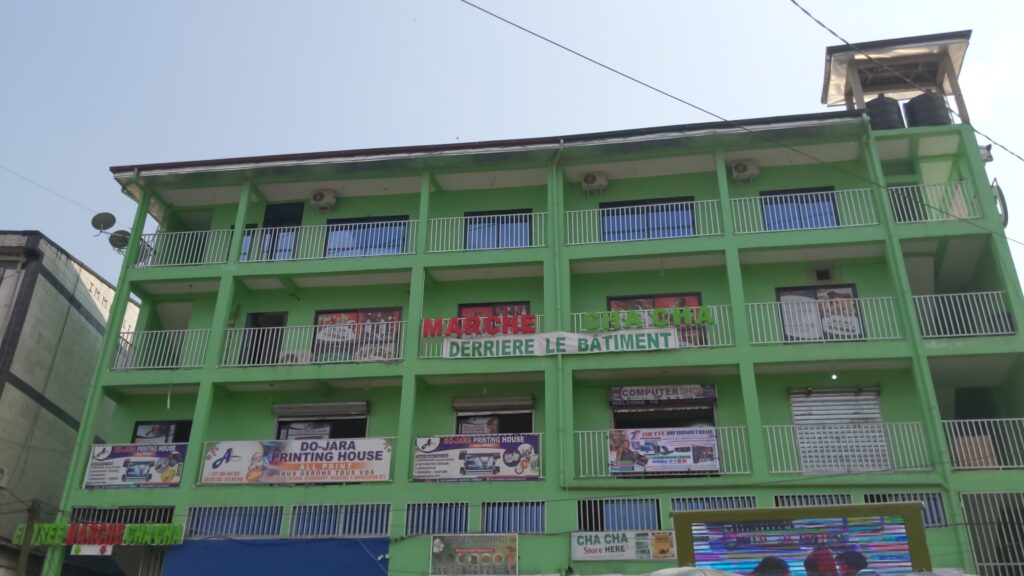
Economically, the impact of ChaCha Market is already evident. It has boosted local economic activity, created jobs, and contributed to reshaping Douala’s image by promoting cleanliness, organization, and modern urban planning. Authorities and residents alike see it as a practical response to the long-standing challenge of informal and disorderly markets in the city.
Looking ahead, management has announced plans to expand the market to accommodate more traders and attract an even larger customer base, reinforcing its position as a major commercial hub in the Littoral Region.
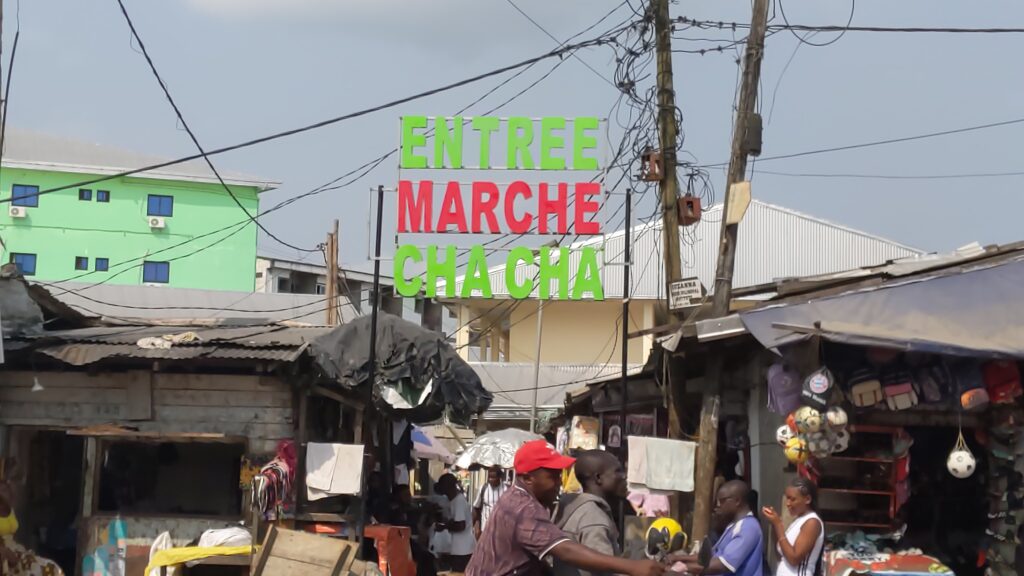
ChaCha Market is strategically located along National Highway Number 3, one of Cameroon’s busiest transport corridors, on the Gare Routière–Bikoko axis, approximately 20 kilometers from the Bussy Rail Roundabout. This prime location continues to drive its growing popularity.
As Douala evolves, ChaCha Market stands out as a model of how vision, social responsibility, and modern infrastructure can combine to transform commerce and restore dignity to trade.
