



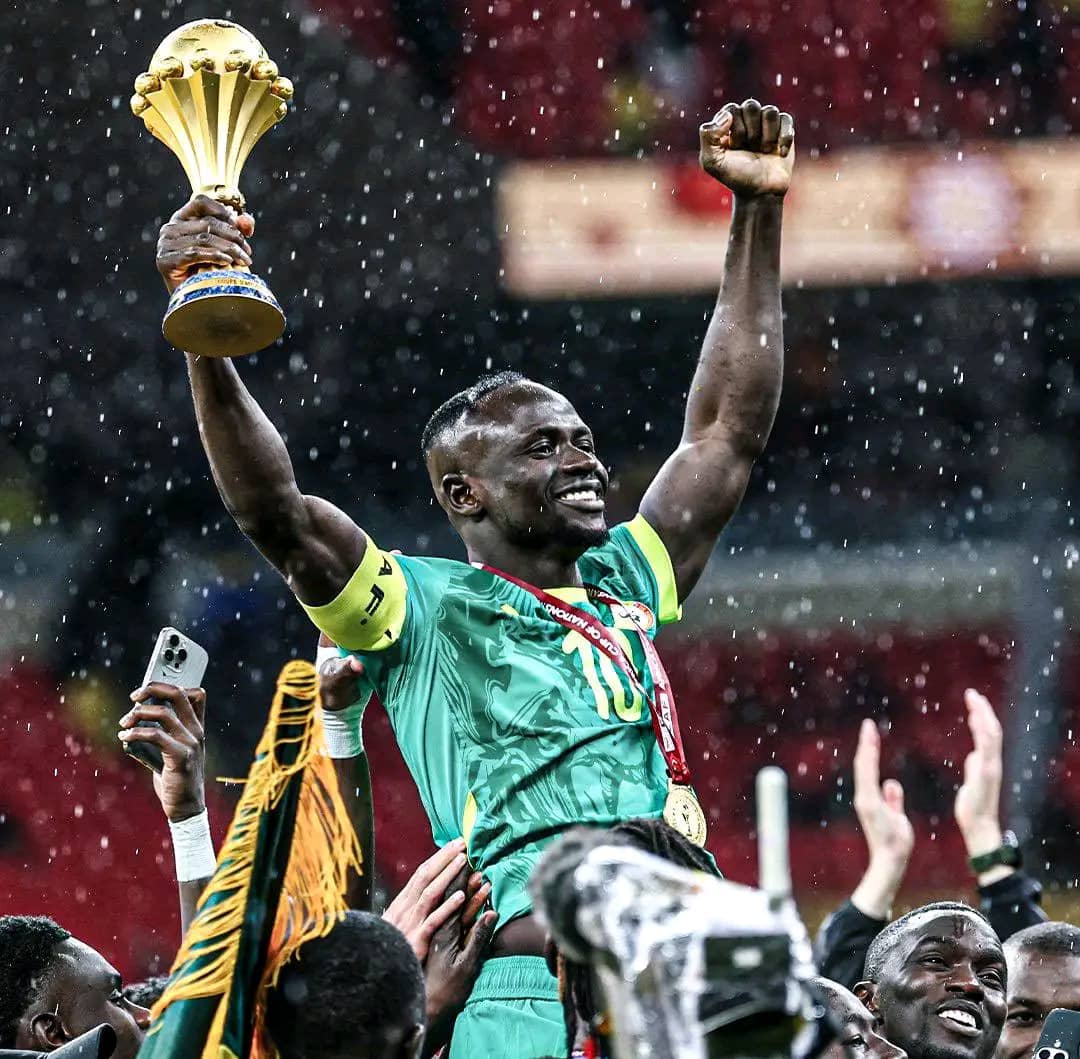
The 2025 Africa Cup of Nations final in Morocco—featuring the host nation against Senegal—will be remembered not only for its result, but also for the controversies that surrounded it. Senegal’s 1–0 victory was more than a footballing triumph; it was a powerful statement of resilience, composure, and adherence to fair play in an atmosphere many felt was heavily skewed against them.
Concerns emerged even before kickoff. The Senegalese delegation reportedly arrived in Rabat without the customary security escort or official protocol accorded to finalists. They were lodged in substandard accommodation and allegedly forced to shoulder hotel expenses themselves. Ticket allocation further deepened frustration, with fewer than 2,000 tickets reportedly set aside for Senegalese supporters in a stadium boasting a capacity of over 65,000.
On the pitch, officiating decisions raised serious questions. Senegal faced a Moroccan side that observers believed had already benefited from favourable calls earlier in the tournament, notably in matches against Cameroon and Nigeria. In the final, a legitimate Senegalese goal was controversially ruled out for a highly questionable foul. Shortly afterward, a debatable decision went in Morocco’s favour, reinforcing perceptions of inconsistency and bias.
Off the field, further incidents marred the occasion. A Senegalese player was allegedly targeted with laser light during the warm-up. During the match, scenes bordering on the surreal unfolded as supporters—and even players—scrambled to retrieve the goalkeeper’s towel, an episode that notably involved Achraf Hakimi. The trophy ceremony also drew criticism, with an awkward moment in which the Prince appeared reluctant to hand over the trophy to the eventual winners. Tensions persisted post-match, as Moroccan journalists allegedly obstructed Senegal coach Pape Thiaw from holding his press conference.
Taken together, these episodes fell short of the standards of organisation, sportsmanship, and neutrality expected at Africa’s premier football competition.
Senegal, however, were not entirely blameless. Coach Pape Thiaw’s initial reaction during a tense stoppage was ill-advised and risked escalating an already volatile situation. It took the calm leadership of captain Sadio Mané—who sought counsel from Claude Le Roy and a former El Hadji Diouf in the stands—to persuade the team to return to the pitch and complete the match.
Ultimately, football rewarded discipline and mental strength. Édouard Mendy’s decisive penalty save against Brahim Díaz proved the turning point, sealing a historic victory for Senegal.
That is the lasting lesson of this final. Amid controversy, pressure, and conditions that fell short of CAF’s ideals, composure prevailed. Senegal did not merely win the trophy—they emerged with their dignity intact and claimed the moral high ground as well.
By Erastus Ndueh
